
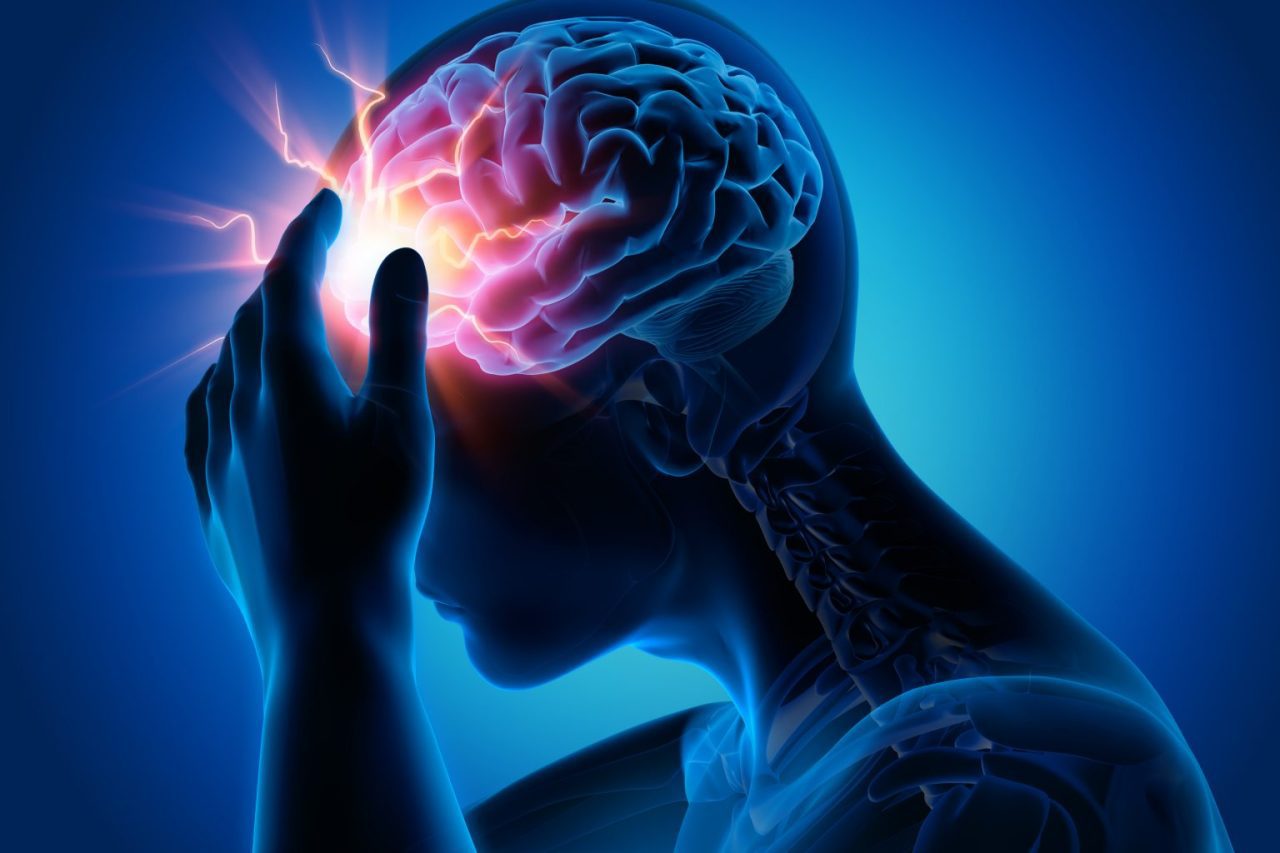
CBD and epilepsy is a topic gaining global attention as more people explore natural, complementary ways to support neurological health. Epilepsy is a chronic neurological condition characterised by recurrent, unprovoked seizures that can vary dramatically in frequency, intensity, and impact. For many individuals, epilepsy affects work, education, independence, and overall quality of life. Traditional treatment typically involves anti‑seizure medications, and in some cases, surgery. While these approaches can be effective, they don’t work for everyone — and some people experience significant side effects.
This has led many to explore whether CBD for epilepsy may offer supportive benefits. CBD (cannabidiol) is a non‑psychoactive compound found in hemp, and although it is not a cure, research continues to investigate its potential role in seizure management.

Epilepsy affects millions of people worldwide and can begin at any age, though it is most common in childhood and later adulthood. Managing epilepsy often requires long‑term treatment plans involving multiple medications. However, some individuals live with drug‑resistant epilepsy, meaning conventional treatments don’t fully control their seizures. This is one of the key reasons researchers have turned their attention to cannabinoids — including CBD — as possible complementary tools.
The conversation around CBD epilepsy research gained mainstream attention through the story of Charlotte Figi, a young girl with Dravet syndrome. After exhausting traditional treatment options, her family turned to CBD oil, and her dramatic reduction in seizures sparked global interest.
This momentum eventually led to the development of Epidiolex, an FDA‑approved, CBD‑based prescription medication used specifically for Dravet syndrome and Lennox‑Gastaut syndrome — two rare and severe forms of epilepsy. Clinical trials demonstrated that Epidiolex could reduce seizure frequency in certain drug‑resistant cases, marking a major milestone in cannabinoid research.
While Epidiolex is a pharmaceutical‑grade product and not the same as over‑the‑counter CBD oils, its approval shows that CBD has a legitimate, evidence‑based role in epilepsy management for specific conditions.
CBD interacts with the body’s endocannabinoid system (ECS), a regulatory network involved in mood, sleep, inflammation, and neuronal activity. Although the exact mechanisms are still being studied, researchers believe CBD may influence:
These interactions may help explain why some individuals experience reduced seizure frequency when using CBD under medical supervision.
A common question is: does CBD help epilepsy? The answer is nuanced. Research shows that CBD can help reduce seizures in certain rare, severe, and drug‑resistant forms of epilepsy — but results vary widely. Some people experience meaningful improvements, while others see little or no change.
CBD is not a universal solution, and it is not a replacement for prescribed anti‑epileptic medication. Instead, it may serve as a complementary option for some individuals when used under professional guidance.
Another frequently searched topic is CBD dosage for epilepsy or CBD dose epilepsy. Because epilepsy is a medical condition requiring specialist care, dosage must always be determined by a healthcare professional. Epidiolex, for example, is prescribed at specific, clinically tested doses — but these cannot be directly applied to over‑the‑counter CBD products.
For general wellness, people often take CBD in much lower amounts than those used in epilepsy trials. Anyone considering CBD alongside epilepsy medication should speak with a doctor first, as CBD can interact with certain anti‑seizure drugs.
Many people search for CBD oil for epilepsy as they explore natural wellness options. While over‑the‑counter CBD oils are not medical treatments, some individuals choose them as part of a broader wellness routine focused on balance, relaxation, and sleep — all of which can influence overall wellbeing.
If you offer product links, here are natural placements:
It’s important to maintain realistic expectations:
CBD should always be part of a broader management plan — never a replacement for prescribed treatment.
The growing research around cbd and epilepsy is encouraging, but CBD is not a stand‑alone treatment or cure. Instead, it may offer complementary support for some individuals when used alongside professional care, lifestyle adjustments, and holistic wellness practices.At My Way CBD, we don’t claim that CBD cures epilepsy. We simply provide high‑quality CBD oils and topicals that many people choose as part of their overall wellness routine. If you’re exploring CBD for balance, relaxation, or general wellbeing, you can browse our premium range — including bold full spectrum CBD oil and bold broad spectrum CBD oil — at MyWayCBD.com..
Written by Dee Mani

Medical cannabis may contain THC and CBD, while over‑the‑counter CBD products contain CBD only. For epilepsy, the only approved option is a purified CBD medicine prescribed by specialists.
Yes. Evidence is strongest for rare, severe epilepsies like Dravet and Lennox‑Gastaut. For other types, research into CBD and epilepsy is still developing.
In clinical settings, CBD is monitored over weeks. For general wellness, people may notice changes in sleep or calmness sooner, but this isn’t the same as seizure control.
It can happen, especially if doses change too quickly or interact with medication. This is why medical supervision is essential when exploring CBD for epilepsy.
It depends on preference. Some choose full spectrum CBD oil for its wider cannabinoid profile, while others prefer broad spectrum CBD oil to avoid THC.
Yes. Sleep, stress, diet, and medication timing can all influence seizure patterns. CBD is sometimes used to support overall balance rather than treat epilepsy directly.
Only prescription CBD medicines have been tested for paediatric epilepsy. Over‑the‑counter CBD oils should not be used for children without specialist advice.
Some early studies suggest potential benefits, but research is limited. Anyone considering CBD dose for dogs with epilepsy should speak with a veterinarian first.
Disclaimer: This blog is for educational purposes only and is not intended to diagnose, treat, cure, or prevent any disease. CBD should not be viewed as a replacement for prescribed medication. Always consult a qualified healthcare professional before making changes to your treatment plan or supplement routine
Subscribe to get the latest posts sent to your email.


