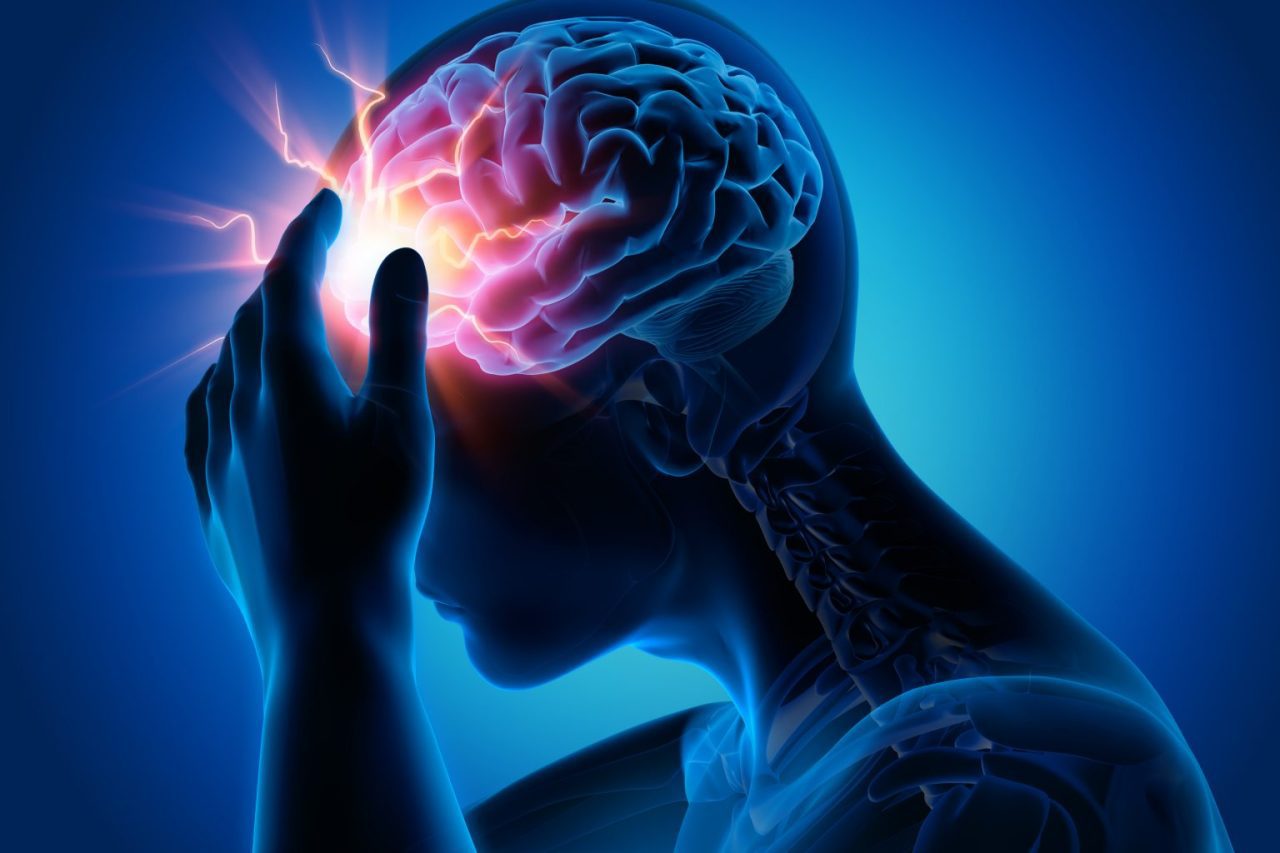
Migraines aren’t just ‘bad headaches.’ They’re your body waving a giant red flag, begging you to pay attention. Ignore them, and you’re not fixing the problem - you’re just buying time.
If you’ve ever been unfortunate and had a migraine, you’ll know it is much more than just a bad headache. It is an entirely different experience. And if you haven’t, count yourself lucky. A migraine is a full-blown neurological storm - an assault on your brain, nervous system, and even your gut.
For too long, people suffering from migraines have been brushed off, medicated, or told to “just pop a painkiller.” Meanwhile, lives are interrupted, workdays lost, and families strained. Migraines affect 1 in 7 people worldwide, with women being three times more likely to suffer than men. Shockingly, they are one of the leading causes of disability across the globe.
You might not have realized this yet. You should know the pharmaceutical industry thrives on keeping you hooked on symptom management. Triptans, opioids, and beta-blockers might dull the pain, but they do little to address the root causes. And without tackling those, migraines just keep coming back.
It’s time to understand migraines. Learn what they are and what causes them. Find out how natural remedies, including CBD, can help you finally take back control.

To reiterate, a migraine is not just a worse headache. It’s an entirely different beast.
The symptoms that go way beyond pain:
At its core, a migraine results from electrical storms in the brain. These are waves of nerve cell activity called cortical spreading depression. They trigger inflammation and vascular changes. In plain English: your brain and blood vessels go haywire.
This cascade messes with your serotonin levels, nervous system balance, and even gut function. That’s why migraines aren’t just about pain - they’re about your entire system being thrown off track.
If you’ve ever asked a doctor “why do I get migraines?” you’ve probably been met with a shrug, a prescription, or a vague mention of “triggers.” But here’s what the research (and lived experience) really shows:
1. Hormones
Women are three times more likely to suffer from migraines, and that’s no coincidence. Estrogen fluctuations during menstruation, pregnancy, or menopause are huge triggers. Even the birth control pill and HRT can set off migraine cycles.
2. The gut-brain axis
Ever notice migraines hit after certain meals? Gluten, dairy, and histamine-rich foods are common culprits. A leaky gut or microbiome imbalance fuels systemic inflammation - and the brain feels it.
3. Toxins & environment
Synthetic perfumes, cleaning products, pesticides, and endocrine disruptors mess with your hormones and nervous system. Migraines are often your body’s alarm bell for toxic overload.
4. Stress & trauma
Chronic stress rewires your nervous system. Unresolved trauma leaves the vagus nerve underactive and the amygdala (your fear centre) on high alert. The result? A hypersensitive brain more likely to spiral into migraines. If you read my articles regularly, you will understand how much unresolved trauma affects your physicality.
5. Nutrient deficiencies
Low magnesium, riboflavin (B2), vitamin D, omega-3 fatty acids, and CoQ10 are all linked to migraine frequency. Without these essentials, your nervous system simply can’t regulate itself.
The good old medical system hands you a triptan and says “see you in six months.” But, they’re skipping the important part. They should be asking why your body is in crisis mode in the first place.

This is rarely talked about - but trauma and migraines are deeply linked.
Studies show people with PTSD or unresolved childhood trauma are significantly more likely to develop chronic migraines. Why? Because trauma keeps your body in survival mode.
When you live in fight-or-flight, your vagus nerve (which normally calms you down) gets stuck offline. Your amygdala stays hyper-alert. That means your brain is primed to overreact to every stressor, light, sound, or hormone shift. Both mentally and physically that's chaos for the body.
Migraines aren’t just “in your head” — they’re in your nervous system. Some practitioners suggest that addressing trauma and supporting vagus nerve function may influence migraine experiences, though research is still developing. And here’s how CBD help:
This is why so many migraine sufferers find relief with CBD - it’s not a coincidence, it’s neurobiology. Don't wait for a migraine to surface before taking CBD. Use it daily as a wellness supplement to actually prevent migraines from forming in the first place.
You don’t have to settle for living in dark rooms with ice packs on your forehad forever. There are natural, science-backed ways to reduce migraines, and they go way beyond toxic pills.
Eat anti-inflammatory: leafy greens, berries, oily fish, turmeric, garic, ginger.
Ditch processed junk, gluten, dairy, and artificial sweeteners (aspartame is a big trigger). Raw organic grass-fed milk (from a local farm) actually supports a healthier microbiome. This is thanks to live probiotics. Gut dysbiosis is a migraine trigger for many. Just stay away from the supermarket dairy milk. It's toxic and causes both mucus and inflammation. These issues are the root of all health concerns.
Stay hydrated — dehydration is one of the fastest migraine triggers. Hydration isn't just water. Salt and healthy fats are needed to satiate and hydrate the body, as mentioned in this previous article.
Prioritise quality sleep (no scrolling at 2am).
Magnesium glycinate: relaxes blood vessels and calms the nervous system.
Riboflavin (B2): reduces frequency of attacks.
Omega-3 fatty acids: anti-inflammatory brain fuel.
CoQ10: improves mitochondrial function (energy for your brain).
Vitamin D: deficiencies are strongly linked to migraines. 15 mins of daily sunlight fuels the body.
CBD works by:
Reducing inflammation in the brain.
Supporting serotonin (the “feel good” neurotransmitter).
Calming overactive nerves.
Preventing the spread of cortical depression (the brain’s electrical storm).
Studies show cannabinoids can cut migraine frequency in half, with fewer side effects than pharmaceutical drugs. Many people report taking a dose of Full Spectrum CBD oil at the first sign of an aura. This can stop a migraine from escalating.
Castor oil packs: detoxify the liver and balance hormones.
Essential oils: peppermint oil on temples, lavender for relaxation.
Breathwork & meditation: regulate vagal tone, reduce stress triggers.
Living with migraines can feel like living with a ticking time bomb. But it doesn’t have to be that way. By tracking triggers, nourishing your body, and using natural supports like CBD, you can dramatically reduce how often migraines strike.
Keep a migraine diary: track foods, stress, sleep, cycle, and environment. Patterns will emerge.
Build a self-care toolbox: magnesium, CBD oil, peppermint oil, a blackout mask, breathwork.
And remember, you’re not weak for having migraines. You’re not lazy. You’re not broken. Your body is simply screaming for balance — and it’s your job to listen.

Migraines aren’t the enemy. They’re a signal. A red flag that your body is out of balance — hormonally, emotionally, or neurologically.
The pharmaceutical world may want you dependent on a quick fix. However, that will only mask the issue temporarily. It will hide the problem until the next trigger. Some people find that exploring root causes such as diet, stress, and nervous system support is beneficial. This exploration helps them manage symptoms more effectively.
If migraines are robbing you of your life, begin with the basics. Focus on nutrition and nervous system repair. Explore natural options such as plant-based supplements, including CBD. Don’t unnecessrily settle for a lifetime of pill bottles and dark rooms.
💚 To dive deeper into prevention and root-cause healing, grab our free Prevent Illness eBook.

If you're ready, explore our Full Spectrum and Broad Spectrum CBD oils. Many people include these in their wellness routines to support balance and relaxation.

Written by Dee Mani

A. A migraine is a neurological condition that involves much more than head pain. It often includes symptoms like nausea, visual disturbances (aura), sensitivity to light and sound, and fatigue. Unlike a tension headache, migraines are linked to changes in the nervous system and can last from hours to days.
A. Migraines can be triggered by hormonal fluctuations, gut imbalances, environmental toxins. Chronic stress, trauma, and nutrient deficiencies are also triggers. Magnesium or vitamin D deficiencies could also play a role.. Identifying and addressing these root causes can help reduce frequency and severity.
A. Research is ongoing into CBD and the endocannabinoid system. It plays a role in functions like pain signalling, inflammation, and nervous system regulation. Some people with migraines choose to explore CBD as part of their broader wellness routine. However, it's not an approved treatment.
A. Natural migraine remedies include magnesium glycinate, riboflavin (B2), omega-3 fatty acids. Hydration is important, along with anti-inflammatory foods, castor oil packs. Essential oils (like peppermint and lavender) and CBD products are also firm favourites. Stress management through breathwork and meditation also helps.
A. Yes. Hormonal changes, particularly fluctuations in estrogen, are a major migraine trigger. This may help explain why migraines are more frequently reported by women and often occur around menstruation, pregnancy, or menopause.
A. Unresolved trauma and chronic stress dysregulate the nervous system, keeping the body in fight-or-flight mode. This makes the brain more sensitive to triggers. Healing trauma and supporting vagus nerve function can reduce migraine severity.
A. Full Spectrum CBD contains trace THC and Broad Spectrum does not. Some people prefer one over the other. This depends on lifestyle or personal preference, but more research is needed regarding migraines specifically.
Disclaimer: This information is provided for educational purposes only and is not intended to replace professional medical advice.
Subscribe to get the latest posts sent to your email.